U.S. Congress Bans Government-Issued Digital Currencies Until 2030 as Part of Major Housing Bill
17.06.2026
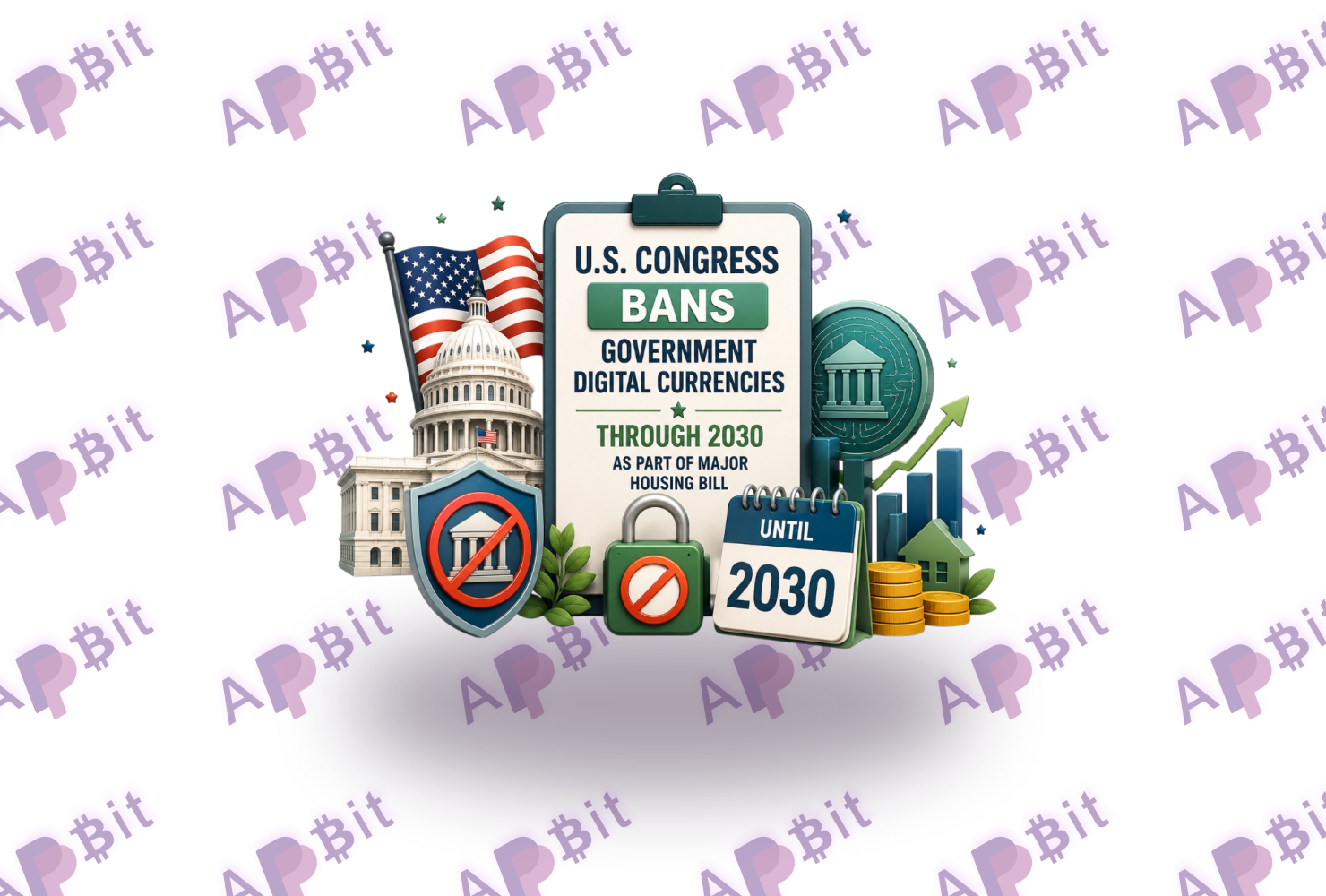
The U.S. Congress has reached a historic agreement by including a provision in a new, large-scale housing bill that prohibits the introduction of central bank digital currencies (CBDCs) until 2030. This decision was the result of lengthy debates about the role of digital assets in the country’s financial system and the potential risks to citizens’ privacy.
According to the approved text of the bill, no U.S. federal agency or department will be able to develop, test, or launch a CBDC until January 1, 2030. Lawmakers emphasize that the temporary ban will allow for further research, an assessment of international experience, and the protection of citizens’ rights to financial privacy.
The initiative has received bipartisan support: 67% of House members and 61% of senators voted in favor of it. Key arguments from supporters include the need to protect personal data, prevent potential government control over citizens’ spending, and maintain the competitiveness of the private fintech sector.
At the same time, the bill includes provisions to support innovation in the field of digital payments, which will allow private companies to continue developing alternative solutions without direct government intervention. This measure is expected to ensure the stability of the financial sector and create conditions for a more balanced approach to the adoption of new technologies.
Experts note that Congress’s decision could serve as a model for other countries considering how to regulate digital currencies.